
The Difference Between Jasmine Sambac and Jasmine Grandiflorum.
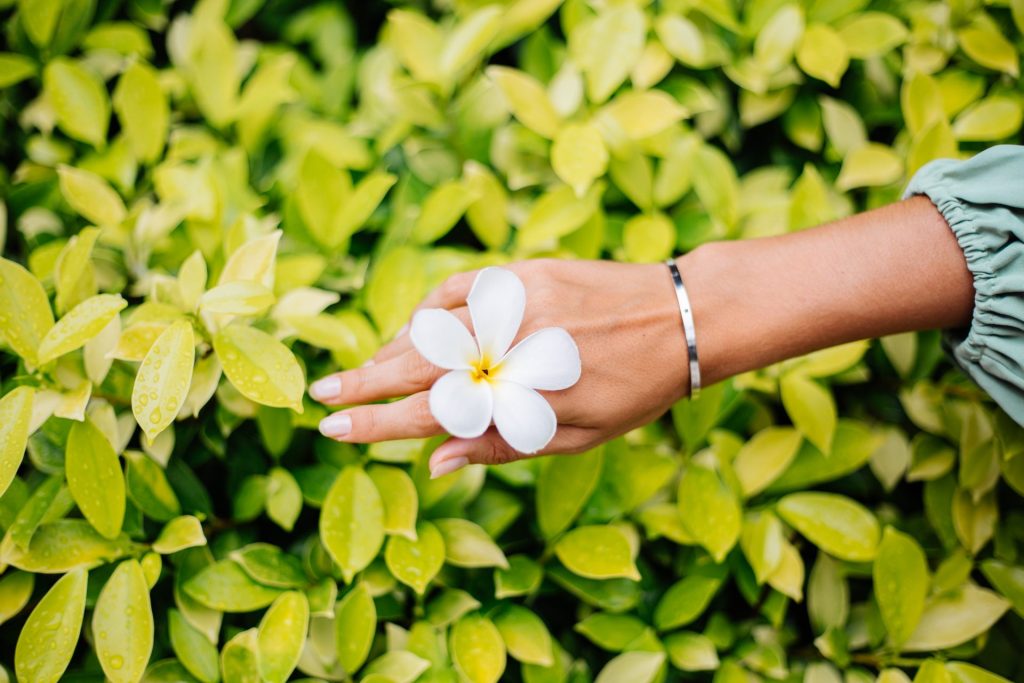
Image by kroshka__nastya
If you love jasmine perfumes, you might be a little confused at times.
That’s because one version of jasmine can smell fresh and green, while another gives you that rich, unmistakable white-flower scent that seems to smell stronger as it warms on your skin.
If you’re knowledgeable about perfume notes and accords, you’ll already know that there’s actually more than one type of jasmine used in perfumery.
Knowing which jasmine note you’re smelling can also make shopping for perfume much easier, ensuring you pick the right perfume for your taste. Keep reading to learn the difference between Jasmine Sambac and Jasmine Grandiflorum, including how each one smells and what to look for when buying your next perfume.
What’s the Difference Between Jasmine Sambac and Jasmine Grandiflorum?
Jasmine Sambac has a greener scent with fruity notes and a hint of orange blossom. Jasmine Grandiflorum has the richer white-floral scent you might associate with classic jasmine perfumes. The difference depends on where the flowers are grown and can influence the final aroma.
Meet Jasmine Sambac
Jasmine Sambac is also known as Arabian jasmine, although India is one of the main producers of the flowers used in perfumery. Its small white flowers have a powerful scent and are picked by hand before being processed into jasmine absolute.
Sambac has a greener, fruitier aroma than you might expect from jasmine. You can also pick up an orange blossom-like scent, which comes partly from naturally occurring compounds called anthranilates. If you’re familiar with neroli fragrance notes, distilled from bitter orange blossom, you might recognise similarities between the two floral notes.
This gives Sambac that recognisable freshness when it appears in your perfume.
Depending on the other ingredients in the formulation, you might notice its green side first, followed by a fuller jasmine scent as the perfume develops on your skin.
The flowers are usually harvested early in the morning while the buds are still closed. They continue to open after picking before being processed, so the timing is important when producing the aromatic extract perfumers use.
Meet Jasmine Grandiflorum
Jasmine Grandiflorum is widely cultivated for perfumery, particularly in India and Egypt. It produces larger flowers than Sambac and is known for the rich jasmine aroma found in many floral fragrances.
Where Grandiflorum is grown can noticeably affect its scent. A study comparing jasmine absolutes from different regions found Indian Grandiflorum had an intense floral aroma with fruity and indolic characteristics. Results showed that Egyptian Grandiflorum has greener qualities with a tea-like facet.
This variation helps explain why two perfumes containing Jasmine Grandiflorum won’t necessarily smell alike.
The flowers’ origin affects the raw material, while the amount used and the rest of the perfume formula determine how much of that jasmine character reaches your nose.
Why Jasmine Smells So Sensual
Jasmine contains indole, a luxurious aromatic compound that contributes to the flower’s deep, luscious scent.
Indole becomes especially interesting when you smell it on its own. At high concentrations, its odour can be animalic and even faecal. In the much smaller amounts found alongside jasmine’s other aromatic compounds, it contributes to the heady smell of a fully opened flower.
That complexity helps explain why natural jasmine doesn’t always smell clean or delicate. An indolic jasmine can have a deeper scent that becomes more noticeable as a perfume develops, particularly when the jasmine is prominent in the fragrance.
Both Sambac and Grandiflorum can contain indole, so neither variety is universally fresh or sweet. The amount present varies, as does the effect once the jasmine is blended into a finished perfume.
Jasmine Sambac and Grandiflorum Used in Perfume
As mentioned previously, the variety of jasmine can change the direction of a fragrance, especially when the flower plays a prominent role in the composition.
Jasmine Sambac’s green, orange-blossom character works well in fragrances that emphasise fresh white florals. And its fruity side can also become more noticeable when it’s combined with other fruit or floral notes.
Grandiflorum brings that fuller jasmine aroma many perfume lovers will immediately recognise. In a floral fragrance, it gives the heart a stronger jasmine presence, but when it’s combined with warmer ingredients, its sweeter and indolic characteristics become easier to detect.
The surrounding ingredients matter as much as the variety itself. Citrus can elevate jasmine’s fresher aspects, while ingredients such as sandalwood can carry more of its warmth into the dry-down.
Choosing the Best Jasmine Perfume For You
Knowing the jasmine variety gives you a better idea of what to try when you’re shopping for your next jasmine fragrance.
In other words, if you enjoy fresher jasmine perfumes, look for Jasmine Sambac and see whether you can pick out its green or orange blossom-like characteristics. If richer white florals tend to catch your attention, Jasmine Grandiflorum is a good variety to explore.
Once you know the difference, start checking the jasmine variety when you test new perfumes. You’ll soon get a better idea of which one works with the fragrance styles you already enjoy.