
Is Your Favourite Fragrance Toxic? How to Spot Harmful Ingredients.
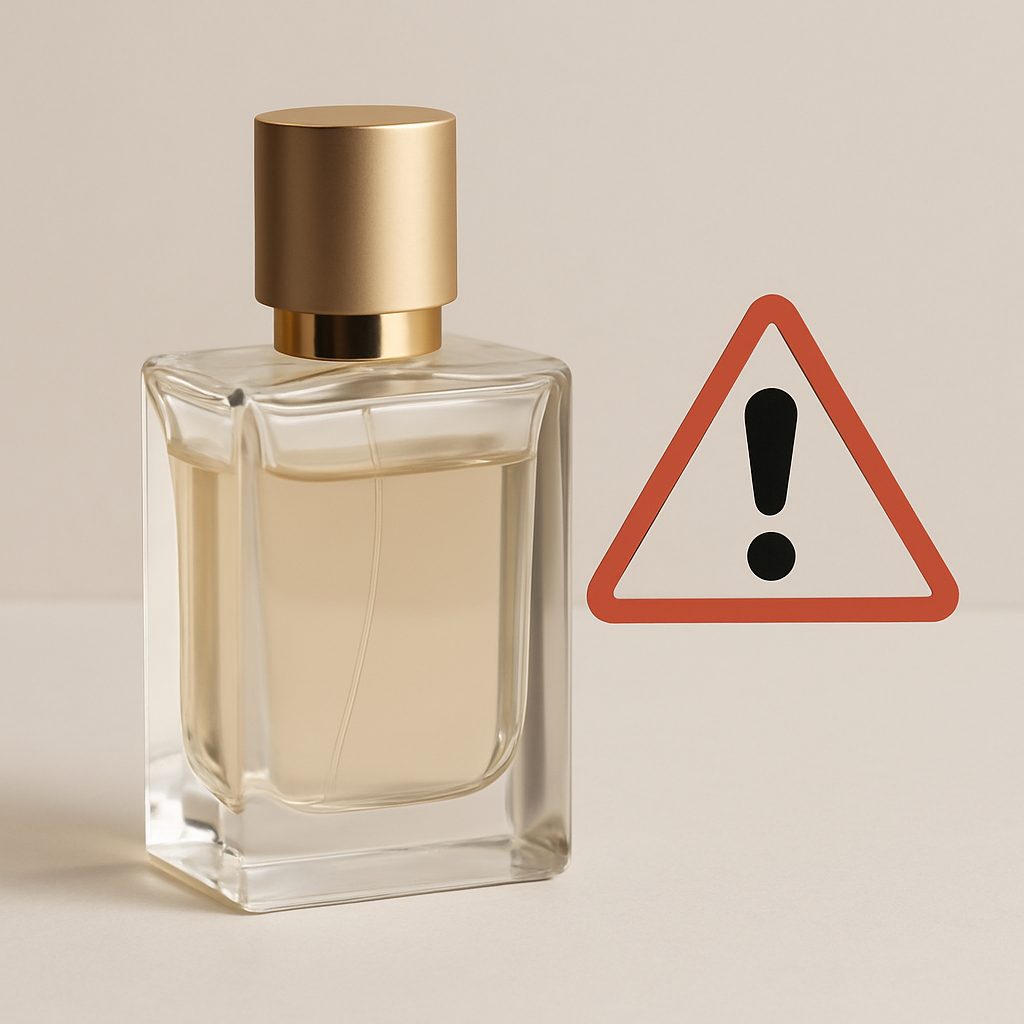
Is Your Favourite Fragrance Toxic? How to Spot Harmful Ingredients
Just because a perfume smells amazing doesn’t mean it’s totally harmless. The fragrance industry is full of vague terms, undisclosed ingredients and clever marketing – and most of us spray without knowing what’s really inside the bottle.
If you’ve ever wondered what’s actually in your favourite scent or if it could be affecting your skin, hormones or health, here’s what you need to know and how to spot the warning signs.
What Makes a Fragrance Potentially Harmful?
The word ‘fragrance’ on a label often hides a long list of ingredients, some of which may include allergens, hormone disruptors and synthetic chemicals that can build up in the body over time, causing stress to your natural rhythms.
These ingredients aren’t always dangerous in small amounts, but repeated, daily exposure (on skin, in the air on clothes) can make a difference, especially if you’re sensitive or already dealing with allergies, headaches or skin reactions.
Common Toxic Ingredients to Watch For
Here are a few ingredients that show up often in mainstream perfumes — and why they raise concerns:
Phthalates
Phthalates in perfumes are used to help scent last longer, but are linked to hormone disruption and reproductive issues. Often hidden under ‘fragrance’ or ‘parfum’.
Synthetic musks (like Galaxolide or Tonalide)
Persistent in the environment and potentially hormone-disrupting. They don’t break down easily and can build up in the body over time.
BHT (Butylated Hydroxytoluene)
Used as a preservative. There’s debate around its safety, but it’s flagged in some studies for potential endocrine effects.
Undisclosed allergens
Fragrance blends may include common allergens not listed individually. If you get headaches, rashes or irritation from perfume, this could be why.
How Brands Use the Word ‘Fragrance’ to Avoid Listing Ingredients
The terms fragrance, parfum or aroma are considered trade secrets. That means brands aren’t legally required to list what’s actually in their scent blend, even if it includes dozens (or hundreds) of synthetic compounds.
How to Choose Safer Fragrances
You don’t need to ditch perfume altogether, but you can choose better options. Here’s what to look for if you want to avoid harmful ingredients:
- Brands that are confident in their formulations will list what’s in them, not just ‘fragrance’.
- Phthalate-free perfume. This will usually be stated clearly. If it’s not mentioned, assume they’re in there.
- It’s not always a guarantee, but alcohol-free, oil-based perfumes often come from more transparent, small-batch producers using cleaner ingredients.
- Pheromone perfumes or botanical-based scents often contain fewer synthetic ingredients and are easier to read and understand, especially if they’re sold as wellness or skin-safe scents.
Is Natural Always Safer When it Comes to Perfume?
Natural doesn’t automatically mean non-toxic or allergen-free. Essential oils can be irritating to some skin types and natural preservatives aren’t always stable. Read more about natural perfumes here.
Having awareness can help you out when purchasing new perfume. Knowing what you’re putting on your skin daily gives you the power to choose what’s right for you.
What to Do If You Think Your Perfume Is Causing a Reaction
If you’re getting headaches, skin irritation or feeling “off” after wearing a fragrance, stop using it and check the label. Patch testing new scents is also a smart move, especially with synthetic-heavy perfumes. Learn more about perfume allergies on our blog here.
Still not sure? Try switching to a low-tox, alcohol-free or pheromone-based vegan formula and see how your skin and body respond.
Perfume Shouldn’t Be a Mystery to Solve
You have a right to know what you’re spraying on your skin every day. If a brand won’t tell you what’s in their fragrance, that’s reason enough to question it. Cleaner options are out there, like Eden Perfumes, and they’re getting better all the time.